Knowing when to DIY and when to call a pro
Few home projects are as tempting as a siding install, especially with do-it-yourself guides in every hardware store. In Spartanburg, the weather and the home’s structure matter. A siding installation is more than nailing panels to a wall. It’s about moisture barriers, correct underlayment, and proper flashing to keep wind and rain out. If you’ve never installed large panels, it’s easy to end up with gaps, buckling, or that dreaded air behind the siding that costs more later.
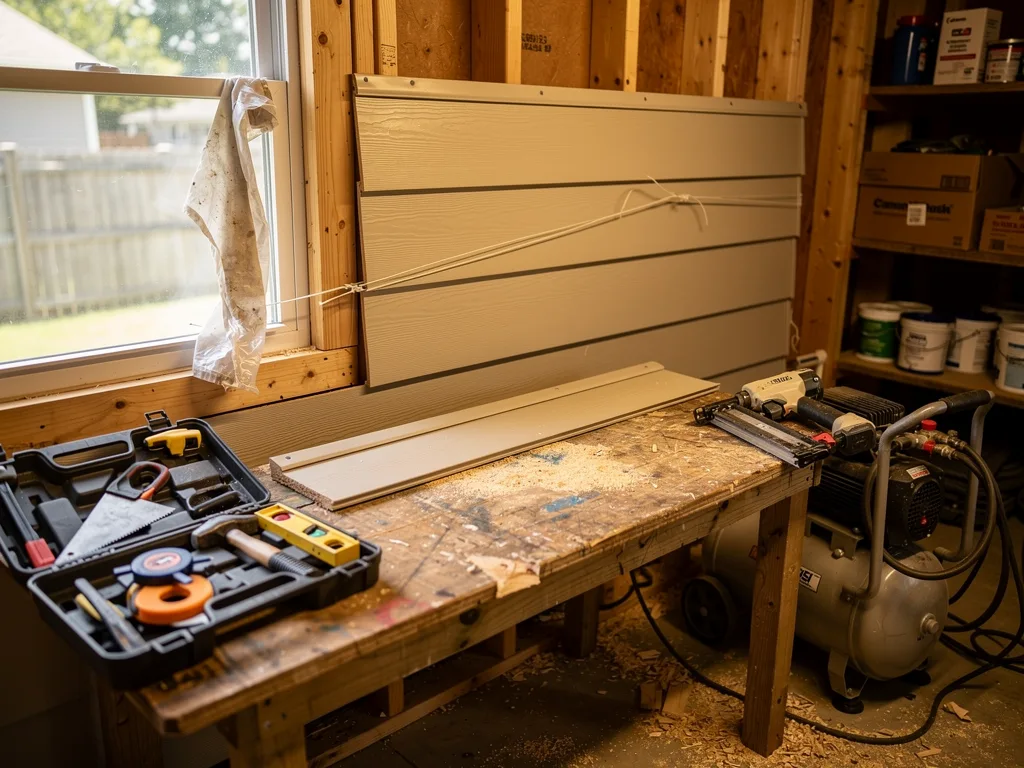
As a rule of thumb, if you’re not confident in measuring and cutting large panels, or if you don’t own the right tools for handling exterior siding, it’s time to call a siding contractor. A professional crew brings experience with the local climate, understands how to prep corners and windows, and knows how to keep from damaging underlying structure during removal and installation.
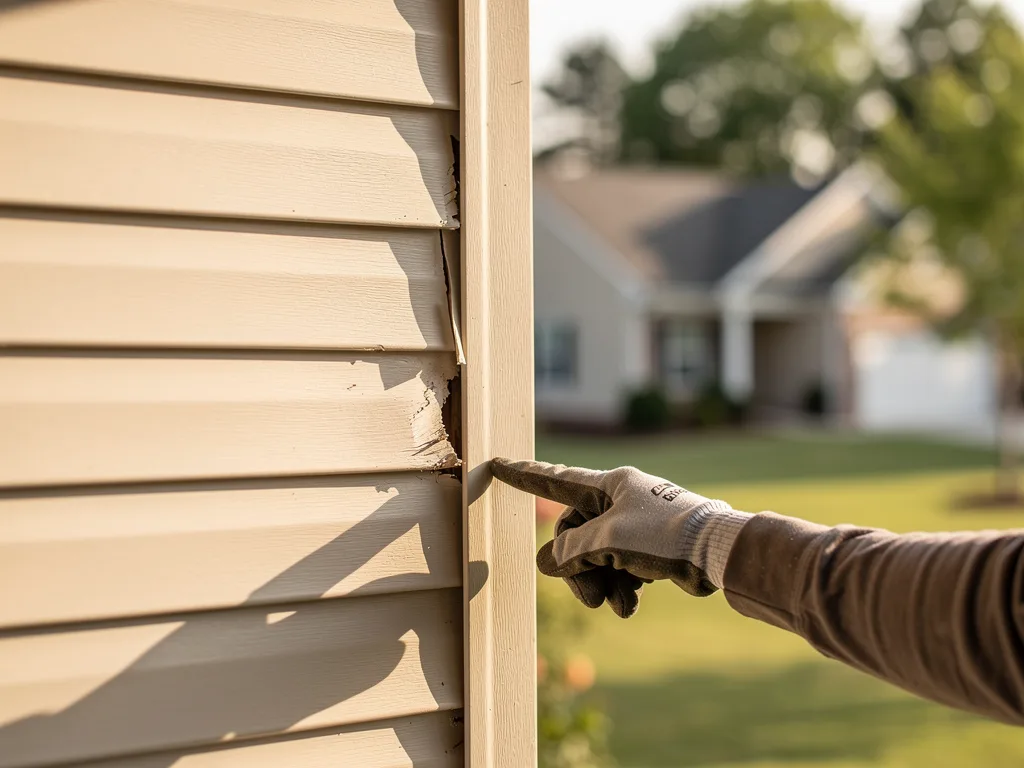
Non-negotiable risks for DIY here include improper moisture barriers, incorrect nail patterns, and poorly sealed joints. A mistake on any of these can lead to water intrusion, which in Spartanburg shows up as staining, soft siding, or peeling paint inside the house near the exterior walls. These problems accumulate and are harder to fix later than to prevent from the start.
What a pro brings to the job
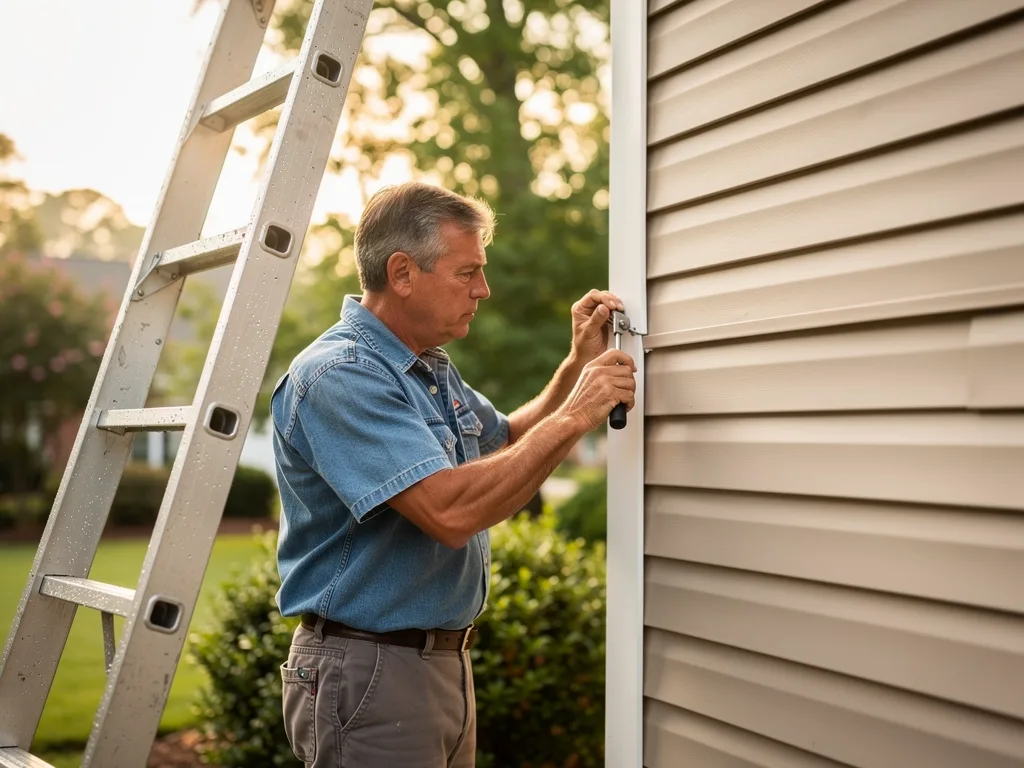
A siding contractor arrives with the right tools, weather awareness, and a plan. They’ll check the underlying substrate and replace any damaged sheathing before the new siding goes up. They’ll install a proper drainage plane, ensure weep holes are clear, and set panels with the right fastener type for your chosen siding product. Our crew at Siding Spartanburg Services also accounts for seasonal shifts in Spartanburg to keep panels from shrinking or buckling over time.
Choosing to hire a pro means you get a written plan, an agreed scope of work, and a timeline. You’ll know when to expect materials, when to start and finish, and who to call if something needs adjustment. If you’re weighing cost, remember this: the cheapest option up front often costs more later if installation flaws show up.
Practical steps for homeowners
Measure your home’s exterior and note any trouble spots before you talk to a contractor. Gather old material samples if you have them. Ask for a written breakdown of labor, materials, and any disposal fees. When meeting with a siding contractor, request a few recent Spartanburg-area references and see example work in similar homes. A reliable crew will share a clear plan and a realistic price range without pressure tactics.